

Embrace Hygge in your home, the new lifestyle trend
What is Hygge?
Hygge, pronounced "hoo-gah," is a Danish concept that has gained worldwide popularity in recent years. More than just a trend, hygge is deeply rooted in Danish culture and represents a way of life centered on well-being, conviviality, and comfort. But where does this concept come from, and why is it so essential in the lives of Danes?
The term "hygge" originates from a Norwegian word meaning "well-being." It was during the 19th century that the concept truly took shape in Denmark, becoming a cornerstone of national culture. In a country with long, dark winters, Danes developed this philosophy to create an atmosphere of warmth and well-being, despite the harsh climate. Hygge thus became a natural response to difficult conditions, a way to transform ordinary moments into experiences of comfort and happiness.
The fundamental values of hygge can be summarized in four main principles: comfort, simplicity, well-being, and conviviality. It's about creating an environment where one feels at ease and secure, whether at home or with loved ones. Comfort is found in small details, like a cozy blanket, a warm cup of tea, or the soft glow of candles. Simplicity, meanwhile, manifests itself in uncluttered decor and quiet moments, away from the daily hustle and bustle.
Hygge is not limited to interior design; it is also a lifestyle. It encourages savoring simple pleasures, slowing down, and refocusing on what truly matters: human relationships, gratitude, and personal well-being. This approach to daily life largely contributes to the Danes' sense of happiness and satisfaction, regularly ranking them among the happiest people in the world. By adopting hygge, one seeks to integrate more comfort, conviviality, and well-being into one's life, regardless of external circumstances.

The Fundamental Principles of Hygge in the Home
Hygge, as a philosophy of life, finds its most tangible expression in interior design. The idea is to transform one's living space into a sanctuary of comfort and well-being. To achieve this, several fundamental principles of hygge can be applied to the home.
The Importance of Light
Light plays a central role in creating a hygge atmosphere. Danes, accustomed to long periods of low light in winter, have learned to cherish soft, natural light. To recreate this warm ambiance, it is essential to maximize natural light by letting the sun in through large windows, using light curtains, or opting for mirrors to reflect light.
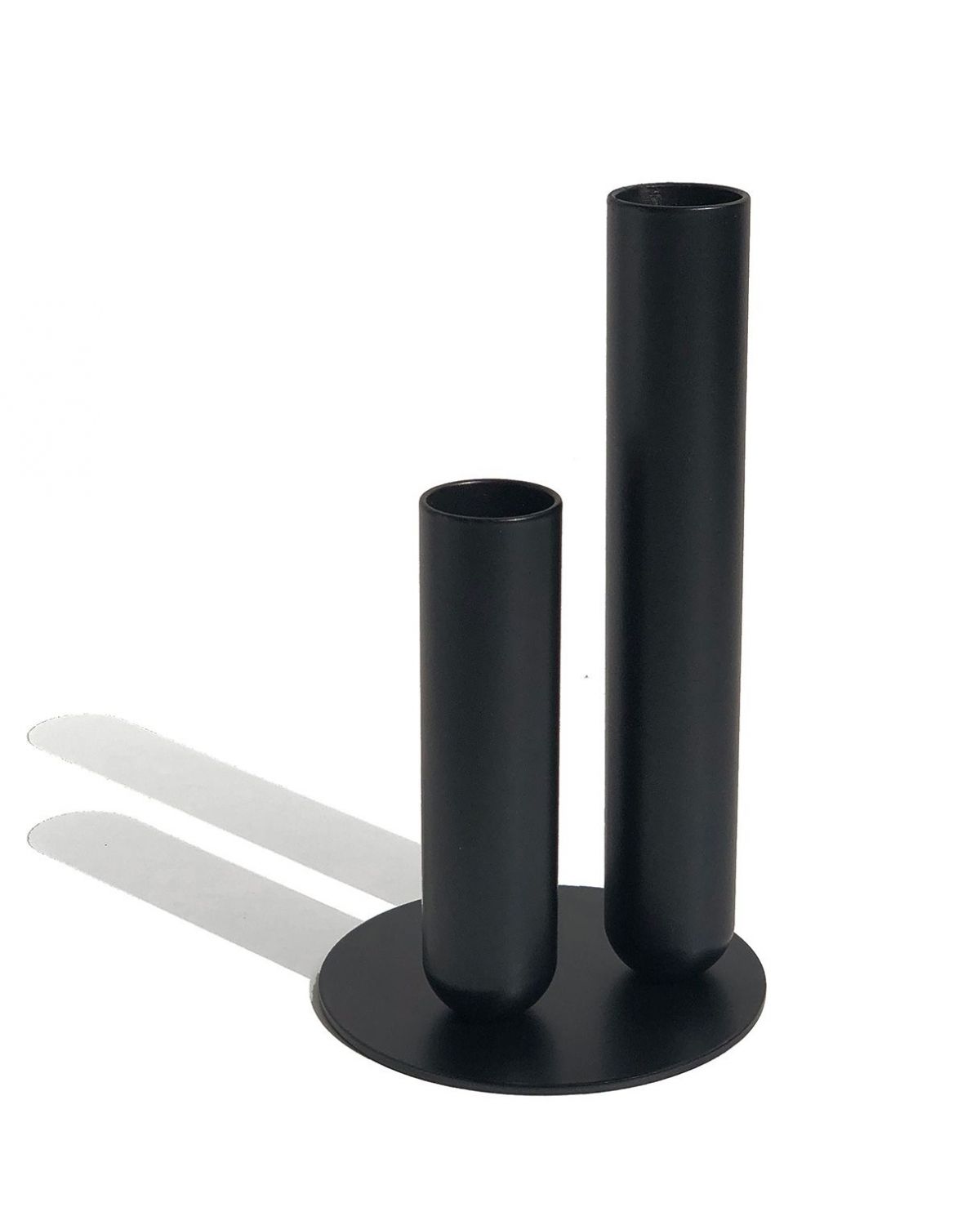
In the evening, lighting should be subdued and soft to create a calming atmosphere. Candles are an essential element of hygge; they diffuse a warm and intimate glow, ideal for relaxation. Dimmable lamps or fairy lights can also be used to adjust the lighting according to mood, thereby enhancing the feeling of comfort.
Textures and Materials
The choice of materials is crucial for establishing a hygge environment. Natural materials such as wood, wool, linen, and cotton are favored because they bring an organic and warm touch to the space. Raw wood furniture, thick wool rugs, and knitted blankets contribute to creating a welcoming and comfortable atmosphere.
To reinforce this feeling of well-being, it is advisable to layer textiles: soft cushions, cozy blankets, and thick rugs. These elements create a sense of envelopment, conducive to relaxation.
Soothing Colors
The hygge color palette is intentionally soft and soothing. Neutral tones like beige, gray, and off-white dominate, evoking elegant simplicity. These colors contribute to a serene environment where it is easy to relax. Touches of green, brown, or pale blue, inspired by nature, further reinforce the connection with the outdoors and promote a sense of tranquility.
Furniture and Layout
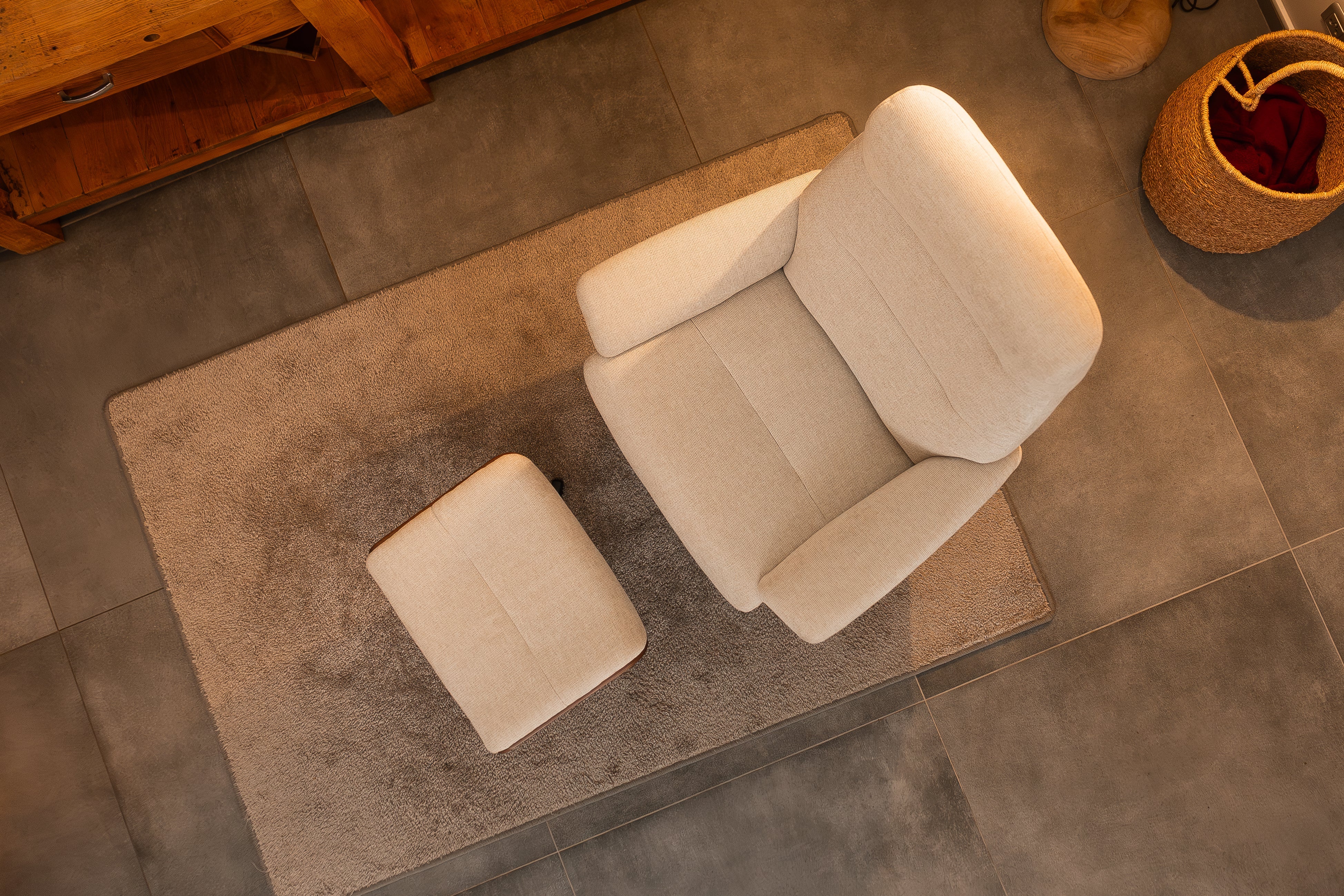
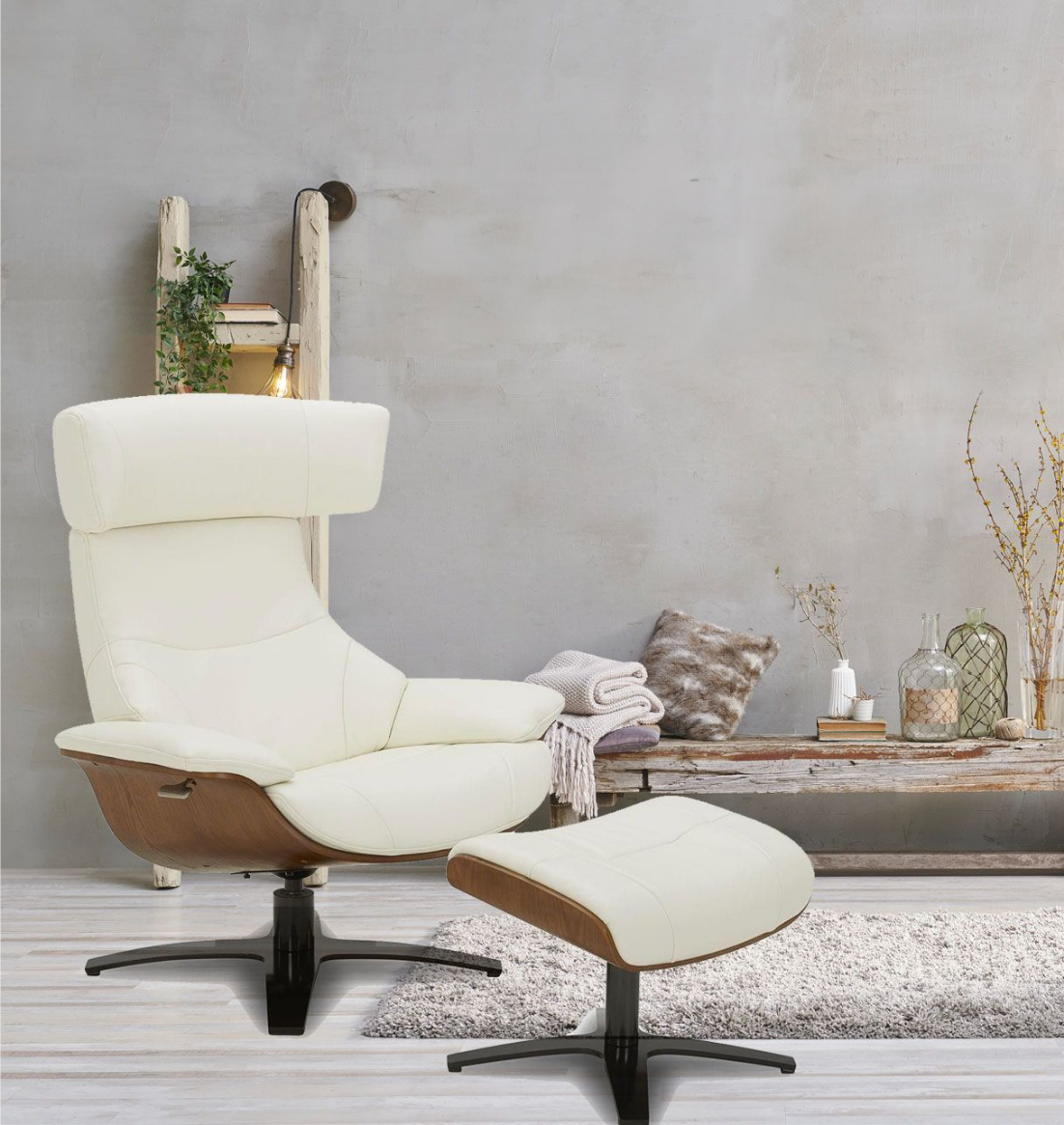
Furniture in a hygge interior should be both comfortable and functional. The goal is to create a space where one feels good, where one can relax alone or with company. Deep sofas, comfortable relaxation armchairs, and solid wood coffee tables are ideal for inviting conviviality.
The spatial arrangement should encourage shared moments. Prioritize gathering areas, such as a reading nook or a space where one can chat over coffee. The idea is to create an environment where everyone feels comfortable, in an atmosphere conducive to relaxation and conviviality.
By applying these principles to your interior design, you can transform your home into a true haven of peace, where comfort and well-being reign.

How to Create a Hygge Space in Each Room of Your Home?
To fully integrate the hygge philosophy into your daily life, it is essential to transform each room of your home into a space where comfort and conviviality reign. Here's how to apply hygge principles room by room, to create a warm and welcoming atmosphere throughout your home.
The Living Room: The Heart of the Home
The living room occupies a central place, as it is where family and friends gather to share moments of relaxation and conviviality. To create a hygge living room, start by choosing comfortable furniture, such as a cozy sofa or relaxing armchairs, that invite relaxation. The furniture should be both functional and welcoming.
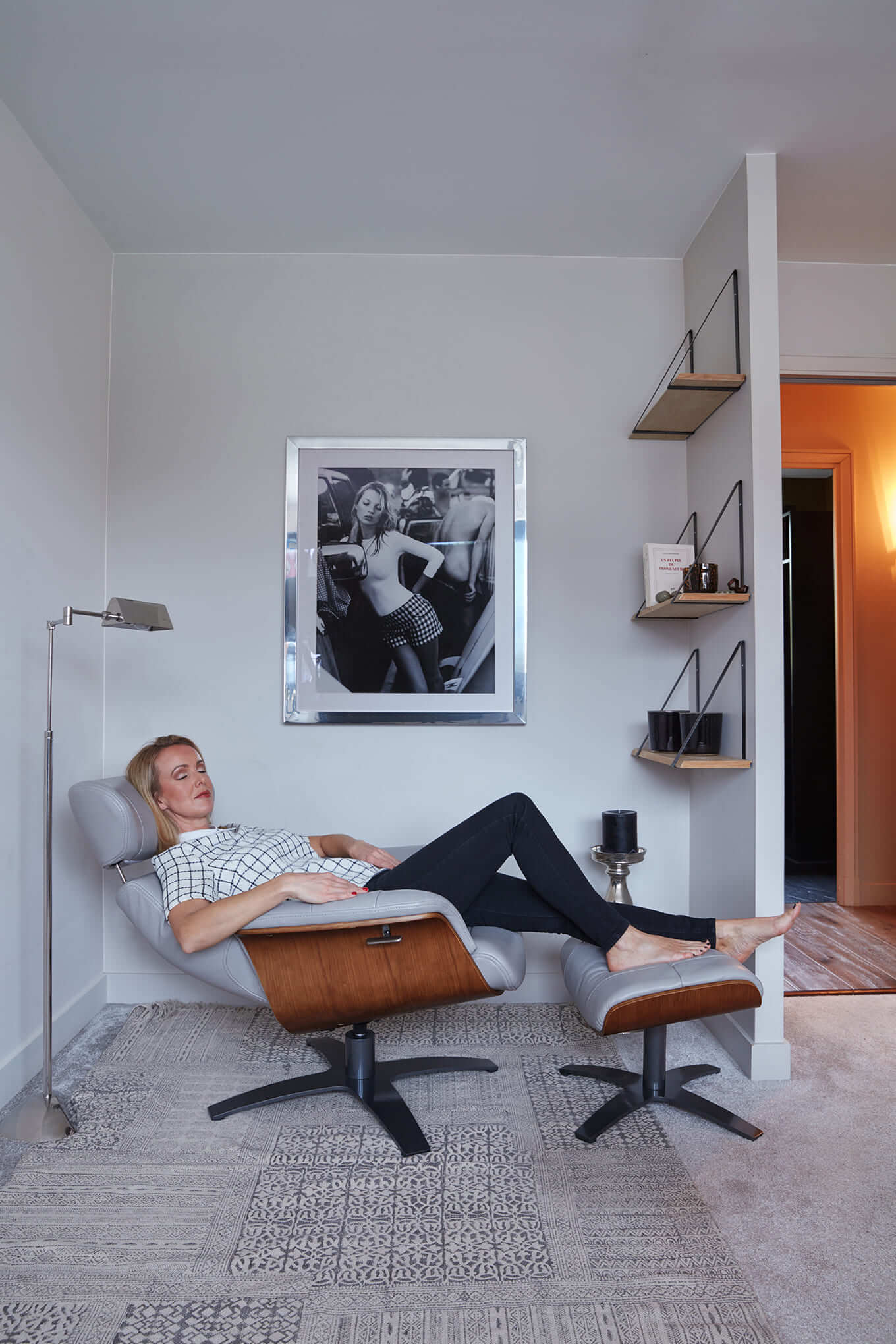
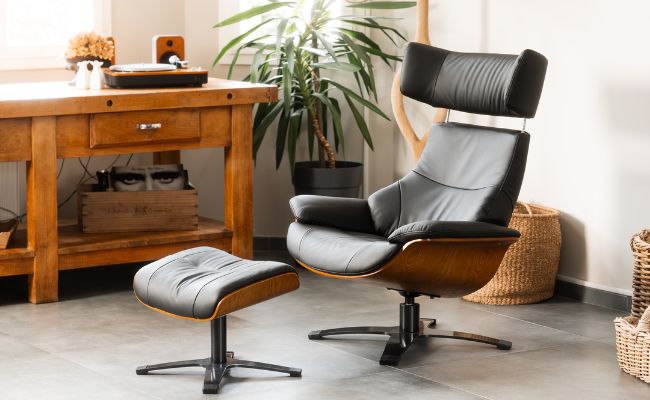
Adding a fireplace or wood-burning stove, if possible, enhances the warm atmosphere. Otherwise, candles strategically placed around the room can recreate that soothing glow. A reading nook, with a comfortable armchair, a soft lamp, and a shelf full of books, is also an excellent way to add a hygge touch to your living room.
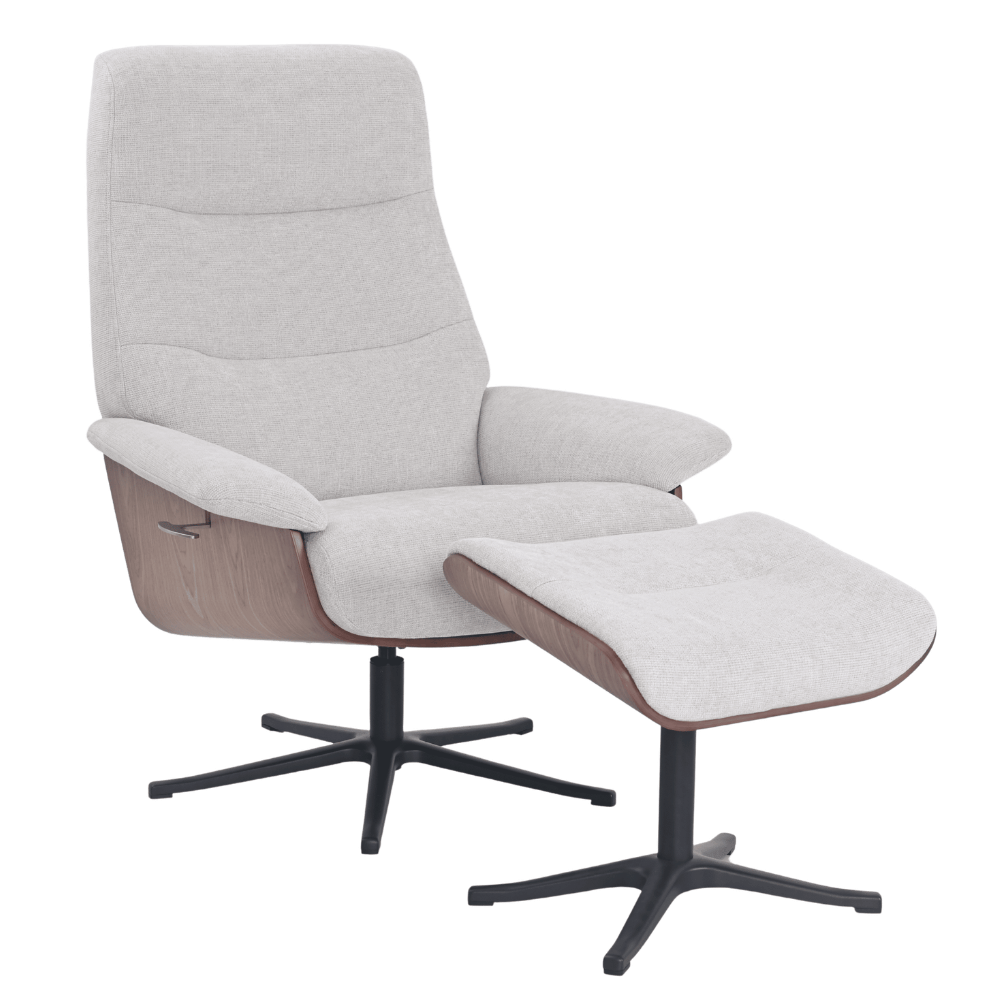
Discover our Leather and Natural Oak Armchair - Naos
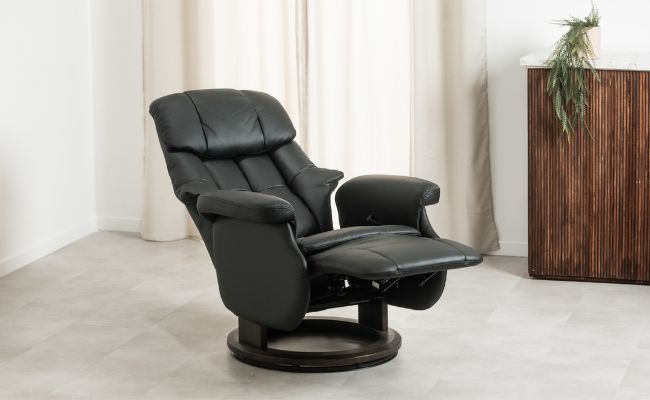
Discover our Designer Relaxation Armchair - Leather or Fabric - CASSIOPEE
The Bedroom: A Haven of Peace
The bedroom is another key space for hygge, as it should be a refuge of tranquility and rest. Invest in quality bedding with soft cotton sheets, a thick duvet, and fluffy pillows to create a cozy bed. Thick curtains are important for isolating the space from noise and outside light, thus promoting deep and restorative sleep.
The ambiance of the bedroom should be muted and soothing. Opt for neutral colors and natural materials for textiles. Touches of subdued light, such as dimmable bedside lamps or scented candles, can enhance the relaxing atmosphere. Since sleep and rest are fundamental, it is essential to design a bedroom that promotes relaxation.
The Kitchen and Dining Room: Places for Sharing and Conviviality
The kitchen and dining room are spaces where conviviality and sharing are fully expressed. Favor a functional yet warm kitchen, with natural materials like wood for countertops and soft colors for the walls. Preparing homemade meals is a hygge act in itself, creating an opportunity to gather family and friends around the table.
In the dining room, opt for a solid wood table, conducive to long discussions and shared meals. Comfortable chairs, linen tablecloths, and subdued lighting complete the ambiance.
Add decorative elements like candles or fresh flowers to enhance the welcoming atmosphere.
The Bathroom: A Relaxation Space
The bathroom can also be transformed into a hygge sanctuary, conducive to relaxation and well-being. Create a spa ambiance by using scented candles, plush towels, and relaxing bath products. Soft colors and natural materials, such as wood or stone, contribute to a soothing atmosphere.
Consider incorporating sensory elements, such as essential oils or fragrance diffusers, to enhance the feeling of well-being. The bathroom should be a space where one can recharge, away from daily stress.
Outdoor Spaces: Extending Hygge Outdoors
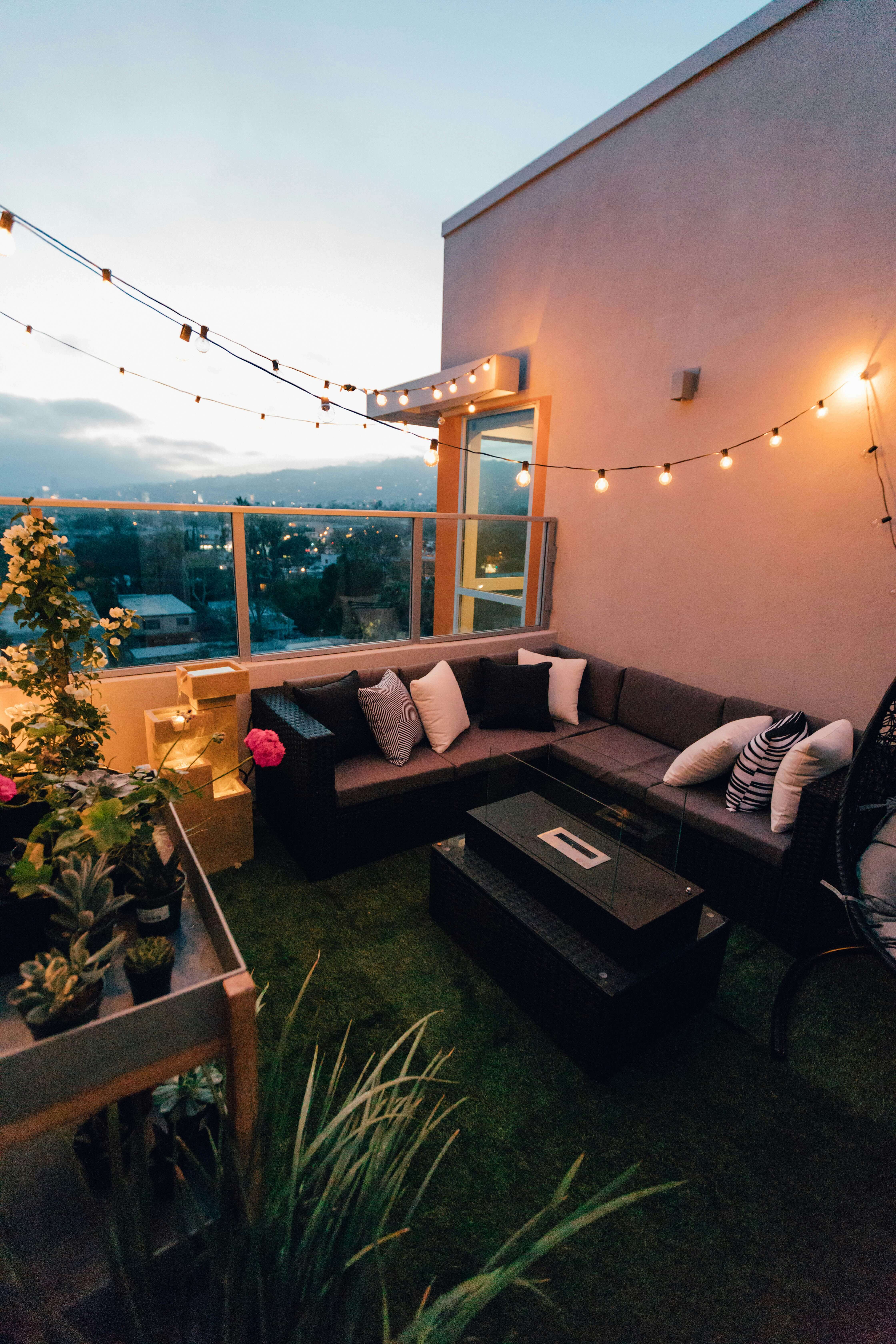
Even outdoor spaces can reflect the hygge spirit. Whether you have a garden, a balcony, or a small terrace, create a comfortable corner with wooden or rattan furniture, soft cushions, and throws for cool evenings. Adding fairy lights or lanterns can bring a touch of magic to your outdoor evenings.
Consider adding natural elements, such as potted plants or a small herb garden, to strengthen the connection with nature. A hygge outdoor space is a place where one can relax, enjoy the fresh air, and share simple moments with loved ones.
By applying these principles to each room of your home, you can create a harmonious and warm environment, where well-being and conviviality are at the heart of your daily life.
Integrating Hygge into Your Daily Life
Hygge goes far beyond interior decoration: it is a true lifestyle that encourages savoring the small pleasures of daily life and cultivating well-being. To adopt this philosophy, it is essential to integrate hygge activities into your routine, prioritizing simplicity and conviviality.
Activities are often linked to moments of relaxation and sharing. Take the time to indulge in reading a good book comfortably settled in a relaxation armchair, preparing homemade meals, or movie nights cozily snuggled under a blanket.
Board games are also an excellent way to spend time with your loved ones while disconnecting from screens and daily stress. These quality moments, shared with those you love, strengthen bonds and bring deep satisfaction.
Hygge can adapt to each season of the year. In winter, it manifests as cozy evenings at home, while in summer, it translates into outdoor picnics, forest walks, or evenings under the stars. The essential is to create moments of simple pleasure, in harmony with nature and the cycles of the year.
Finally, adopting a hygge mindset involves cultivating gratitude and learning to appreciate the small joys of everyday life. Whether it's a warm cup of coffee in the morning, a ray of sunshine through the window, or a quiet moment after a busy day, these moments of simple happiness are at the heart of hygge. Living in the present moment, rejoicing in simple things, and cultivating an attitude of gratitude are all keys to integrating hygge into your daily life and making it a lasting source of well-being.
Transform Your Home into a Haven of Peace with Hygge
By adopting hygge, you not only transform your home into a haven of peace, but you also enrich your daily life with moments of well-being and conviviality. This Danish concept, centered on comfort, simplicity, and warmth, offers an effective response to the stress and pressures of the modern world. By applying the principles of hygge to your interior, whether through soft light, natural materials, or gathering spaces, you create an environment conducive to relaxation and shared happiness.
Beyond decoration, hygge is a true lifestyle. By integrating hygge activities and cultivating a mindset focused on gratitude and the appreciation of small pleasures, you can improve your personal well-being and strengthen family bonds.
Feel free to personalize hygge according to your tastes and needs. Explore this philosophy, experiment with different elements, and make your home a refuge where comfort and harmony reign. Hygge is a journey towards a more serene and fulfilling life, a journey that begins at home.