
Article: The benefits of napping

The benefits of napping
In a world where the fast pace of modern life often pushes our physical and mental limits, fatigue becomes inevitable. Long working days, daily responsibilities, and accumulated stress can drain our energy.
To recover quickly and effectively, napping proves to be a simple yet powerful solution. Numerous studies show that a short nap can improve concentration, reduce stress, and even boost mood.
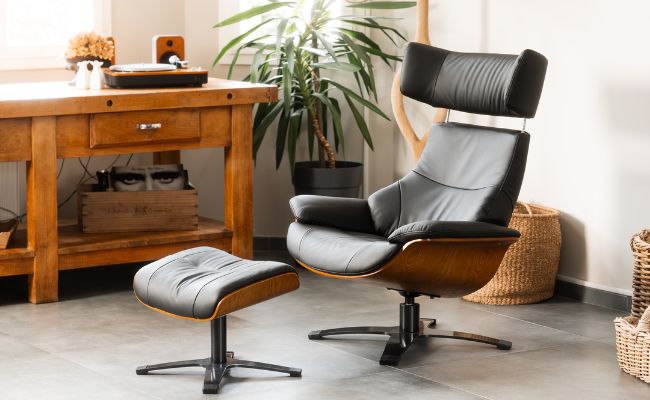
However, to fully enjoy these benefits, it is essential to optimize the napping experience. Choosing an appropriate electric or manual relaxation armchair can play a significant role.
A comfortable, well-designed armchair that properly supports the body allows for relaxation in a comfortable and ergonomic position, thus maximizing the quality of rest.
Napping, although sometimes perceived as a simple break in a busy day, actually offers many health and well-being benefits.
When done optimally, it can improve alertness, stimulate creativity, reduce stress, and even improve memory.
In this article, we will guide you through the essential elements to optimize your nap. First, we will explore in detail the scientifically proven benefits of napping for mental and physical health. You will discover why regular napping can improve the quality of your day and your mental state. Then, we will share practical tips for a successful optimal nap. We will then move on to the importance of choosing the right comfortable relaxation armchair. With these tips, you can transform your nap into a moment of well-being and optimal recovery, while choosing the armchair that best suits your needs.
Napping, much more than just a moment of rest
Napping has many scientifically proven benefits for physical and mental health.
Physically, a short nap can significantly improve the body's recovery and regeneration. Studies have shown that a 20 to 30-minute nap can reduce blood pressure and promote cardiovascular health.
Cognitively and mentally, napping is also very beneficial. It improves memory, concentration, and productivity. Studies conducted by NASA revealed that a 26-minute nap increases cognitive performance and alertness by 34%, making it a powerful tool for recharging mental capacities in demanding contexts. Napping also stimulates brain plasticity, essential for the consolidation of learning and memories.
In terms of mental well-being, napping is an excellent way to combat stress and anxiety. It allows the nervous system to calm down, thereby reducing irritability and promoting better emotional regulation (According to a study published in Psychological Science).
Very concretely, why take a nap? We're going to help you feel less guilty!
Stress reduction
Napping is an effective tool for stress management, and its impact on cortisol levels makes it a valuable ally in reducing mental and physical tension. Cortisol is a hormone produced by the adrenal glands in response to stress. While useful for managing emergency situations, high and prolonged levels of cortisol can harm health, leading to sleep disorders, headaches, and immune weakness.
A well-executed nap can reduce the level of cortisol in the body. According to several studies, even a 20 to 30-minute nap can significantly decrease the effects of stress. It interrupts the continuous flow of stressful thoughts and calms the nervous system, thus promoting rapid and effective relaxation. By allowing the body to take a break and recharge, napping creates a mental break that helps restore emotional balance. It is a moment to find calm and soothe internal tensions, notably reducing the risks of stress-related disorders, such as anxiety or burnout.
Recovery
Beyond its mental benefits, napping plays an essential role in physical recovery. When we are tired or after intense effort, the body needs time to repair itself. A nap, even a short one, activates the body's regeneration processes, especially muscle repair. This is because, during sleep, the body produces essential hormones, such as growth hormone, which plays a key role in tissue repair and muscle recovery.
Athletes and physically active individuals particularly benefit from naps, as they help reduce muscle fatigue accumulated during the day or after training. A short restorative break helps to decrease muscle pain and accelerate recovery after intense physical exercise. In addition to relieving overall fatigue, napping also helps restore the energy needed to maintain optimal performance throughout the day. This is why napping is often integrated into the recovery routines of professional athletes.
Support for memory and learning
Napping plays a fundamental role in cognitive processes, particularly in memory consolidation. Consolidation is the process by which the brain stores recently acquired information to transform it into long-term memories. During the day, we absorb a large amount of information, but without a moment of rest, the brain does not have time to organize and process this data. Taking a nap, even a short one, allows the brain to better assimilate and organize the information received.
Research shows that people who nap regularly have better memorization abilities, especially when learning new information. Indeed, during sleep, the brain reactivates certain areas involved in memorization, thus strengthening the neural connections associated with new learning. Thus, a short nap in the middle of the day can improve information retention and facilitate the acquisition of new skills, whether in a professional or academic setting.
A positive impact on mood
Finally, napping has a direct effect on mood. After a night of insufficient sleep or in cases of chronic fatigue, irritability can quickly set in. Lack of rest affects emotional well-being, leading to a drop in morale and reduced tolerance to daily frustrations. A short nap acts as an emotional "resetter", helping to combat this irritability.
Napping promotes the release of neurotransmitters like serotonin, often called the "happiness hormone," which plays a key role in mood regulation. After a nap, the feeling of fatigue decreases and emotional balance improves. This results in a more positive attitude and a better ability to manage social interactions and daily challenges. In other words, napping recharges not only the body but also the mind, helping to maintain a stable mood.
How to fully enjoy the benefits of a nap?

It is essential to create a conducive environment and adopt favorable habits. Here are some practical tips for a successful optimal nap:
The timing of your nap is crucial. Ideally, plan your nap between 1 PM and 3 PM, when energy levels tend to decrease naturally. This period coincides with a drop in alertness after lunch, making it the perfect time for a short break.
Avoid napping too late in the day, as this could disrupt your nighttime sleep.
To maximize the benefits of your nap, limit it to 20-30 minutes. A short nap allows you to stay in the light stages of sleep, thus avoiding sleep inertia that can occur when waking from deep sleep. This will allow you to wake up fresh and alert, ready to resume your day.
A quiet and comfortable space is essential for a successful nap. Make sure the room is dark, well-ventilated, and quiet. Use blackout curtains or a sleep mask to block light, and consider using earplugs or a white noise machine to dampen ambient noise. If you can, choose a relaxing armchair that supports your body well, allowing you to stretch out.
The position in which you nap can influence its quality. If you opt for a reclining armchair, be sure to choose a position that properly supports your neck and back. If you prefer to lie down, choose a comfortable sofa or bed, using a pillow to maintain proper posture. Avoid settling into uncomfortable positions that could disturb your rest.
Integrating naps into your daily routine can help you get the most out of them. Try to make napping a regular habit, so that your body gets used to this moment of rest. By establishing a routine, you will also be able to better manage your time.
To optimize your nap, avoid consuming caffeine or heavy foods just before resting. These stimulants can make falling asleep more difficult. Instead, opt for a light and healthy snack, like a fruit or yogurt, to avoid any feeling of heaviness. If you are sensitive to caffeine, try to limit your consumption several hours before planning a nap.
A sudden awakening can be disorienting and affect your mood. To avoid this, use a gentle alarm with a progressive sound or opt for an application that simulates sunrise. You can also plan a few minutes to stretch.
Choosing the right relaxation armchair for your nap
Choosing the ideal relaxation armchair is essential to maximize the benefits of a nap. A suitable model, with ergonomic support and specific relaxation features, can transform a simple moment of rest into a truly restorative break. Here are the main elements to consider to improve the quality of your nap, as well as an overview of the different types of relaxation armchairs available on the market.
1. Ergonomic support: a quality relaxation armchair must offer optimal ergonomic support to encourage a healthy posture. It must conform to the natural shape of your body, evenly distributing your weight. This helps prevent pain and muscle tension often caused by inappropriate sitting positions.
2. Memory foam: armchairs with memory foam padding are particularly recommended. They adapt to the contours of your body, offering personalized support that improves overall comfort and contributes to better relaxation.
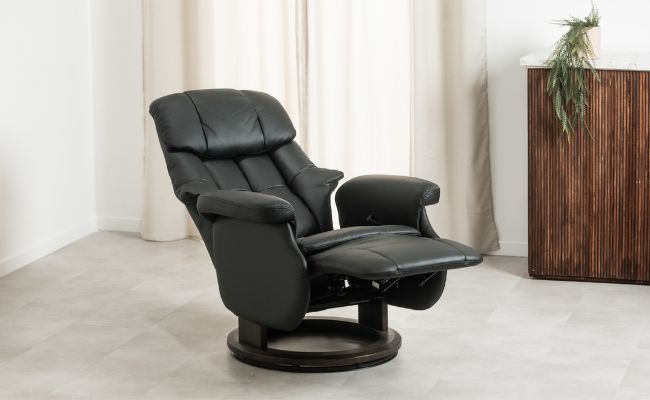
3. Relaxing features: reclining armchairs allow you to easily adjust the seat angle, allowing you to find the ideal position for your head and back. These features add an extra dimension to the napping experience.
4. Footrest and additional options: armchairs equipped with a footrest allow you to elevate your legs, promoting better blood circulation. Some models go even further by offering massage or heat functions, making the moment of relaxation even more pleasant and beneficial.
5. Rocking chairs: rocking models offer a gentle and soothing movement, ideal for promoting sleep. Their design creates a light balance, conducive to relaxation.
The art of napping lies in the ability to optimize every moment of rest to maximize its benefits. A truly regenerating nap is not just a simple moment of relaxation, but becomes an essential break for the body and mind, especially when accompanied by a suitable relaxation armchair. Thanks to its ergonomic comfort and multiple features, a good armchair helps you find the ideal position to relax in complete serenity. By combining this armchair with an adequate nap duration and a conducive environment, you will be able to fully recharge your batteries and approach the rest of the day with energy.