
Origins and Evolution of the Chair
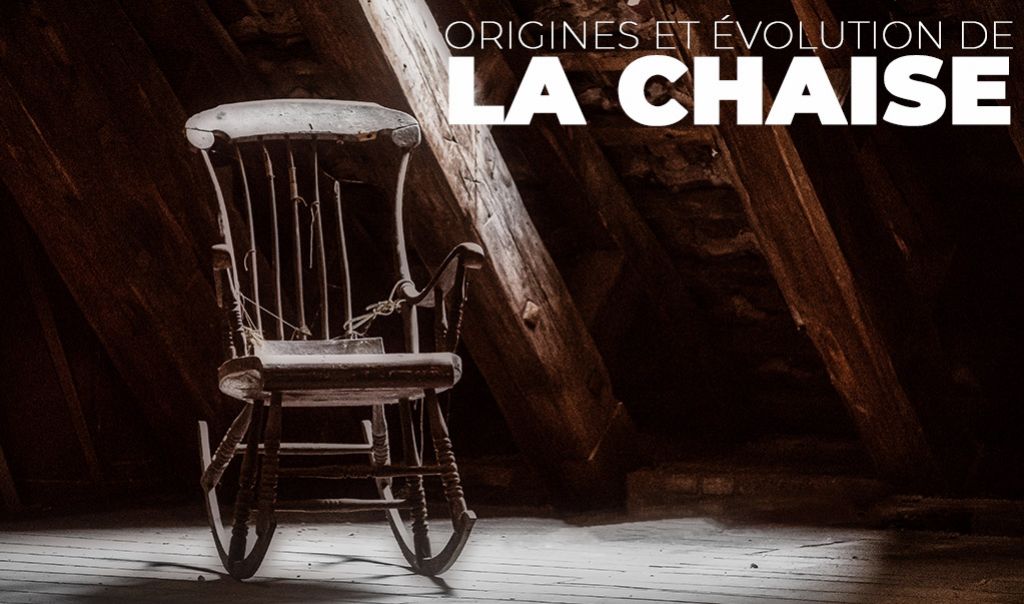
A chair is both a decorative and a utilitarian object. It is very present in the West, and its history goes back a long way... The chair, or armchair, has undergone many changes both in terms of aesthetics and functionality.
The origin of the chair
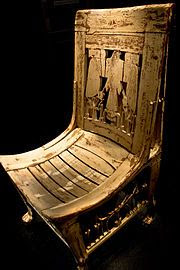
According to our current knowledge, the chair was invented by the Egyptian civilization around 2,600 BC. These were seats with straight backs featuring refined decorations (with the example of Tutankhamun's chair).
At that time, comfort, design, and ergonomics were not criteria to be considered in manufacturing.
Its main role was to highlight social status, which represented a certain display of power. Indeed, the higher an individual's rank, the larger and more sumptuous the chair.
A first ergonomic evolution thanks to the Greeks
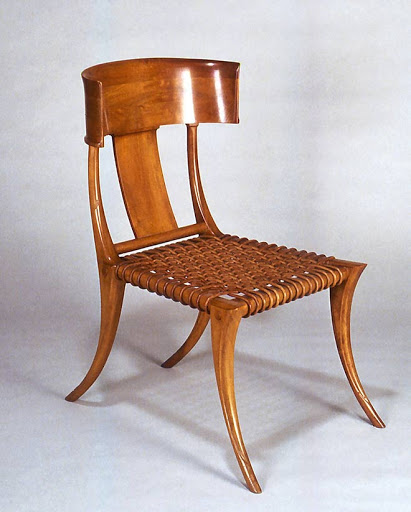
In ancient Greece, the chair became more ergonomic and more thoughtfully designed in terms of utility. Later, they acquired their own name: "Klismos".
These chairs are characterized by curved legs, also called "saber" legs, with "front legs turned forward and back legs turned backward."
Their backrests are much softer than Egyptian chairs, and wood was replaced by woven leather. Their backrests are also curved in a "semi-circular" shape to ensure better adaptation to the human body.
From the Middle Ages to the Renaissance…
The chair did not change significantly during the Middle Ages.
It wasn't until the Renaissance (1300-1700) that we saw the diversity and democratization of seating. This proliferation is largely explained by demand and technological advances of the time. The exponential development of trade created, or rather increased, the demand for so-called "seated" or bureaucratic commerce, and also led to the development of chairs and work tools. One needed to write, write, copy, and transcribe, and for that, one needed to be able to sit, preferably correctly. The ergonomics of the chair subsequently became the manufacturing standard; human morphology had to be taken into account.
Unlike the klismos, chairs were enveloped in wool or even velvet fabrics. Seats thus became upholstered and therefore provided better seating and greater comfort for their users. From this point on, many different models emerged, meeting different needs.
A great change brought by the industrial era
At the beginning of the industrial era, many fields of activity were impacted, and furniture was no exception.
As we can imagine today, many innovations emerged, and a radical change in production was implemented: rapid manufacturing, at the lowest cost. Given the development of society and especially bureaucracy, the armchair quickly became a necessity for many professions. This constituted a major change for seating in general, which until then had been considered a luxury.
Regarding manufacturing itself, and in order to optimize the process, it was necessary to seek tools and innovations from other fields to apply them to chairs (for example, drawing inspiration from maritime design to implement spring upholstery). New ideas emerged through exchanges between different fields, gradually optimizing the aesthetic aspect, as well as the materials.
Thanks to this, a wide variety of chairs developed (different shapes, materials, etc.), naturally giving rise to designer furniture.
Chairs in our time
Today, an incalculable number of different chair models exist. The objective is to meet all needs within a logic of personalization. This is why the appearance, material, and ergonomics vary so much in the models we encounter.
In terms of design, there is something for everyone. In terms of ergonomics, needs must be met, especially new problems related to our society such as back pain.
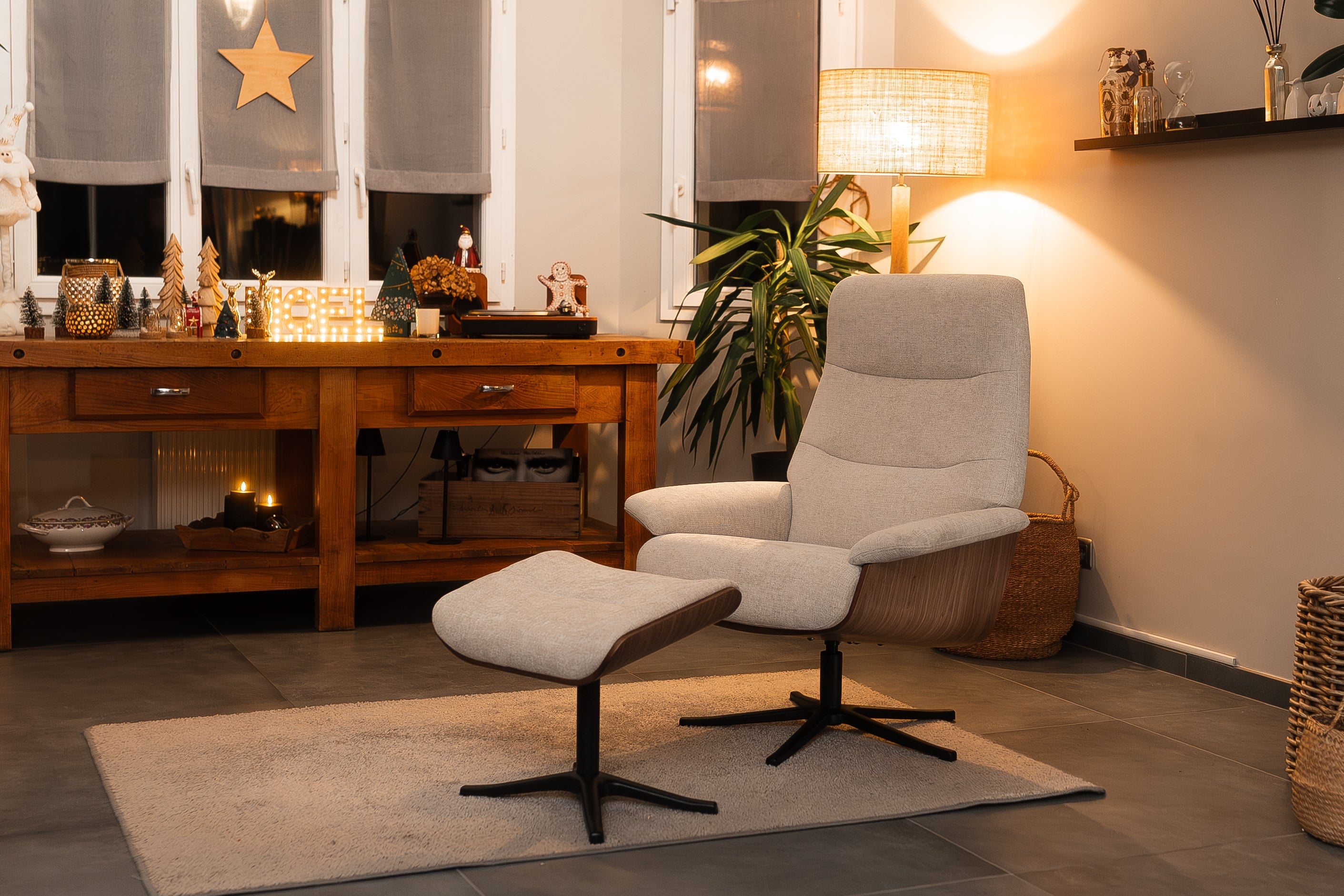
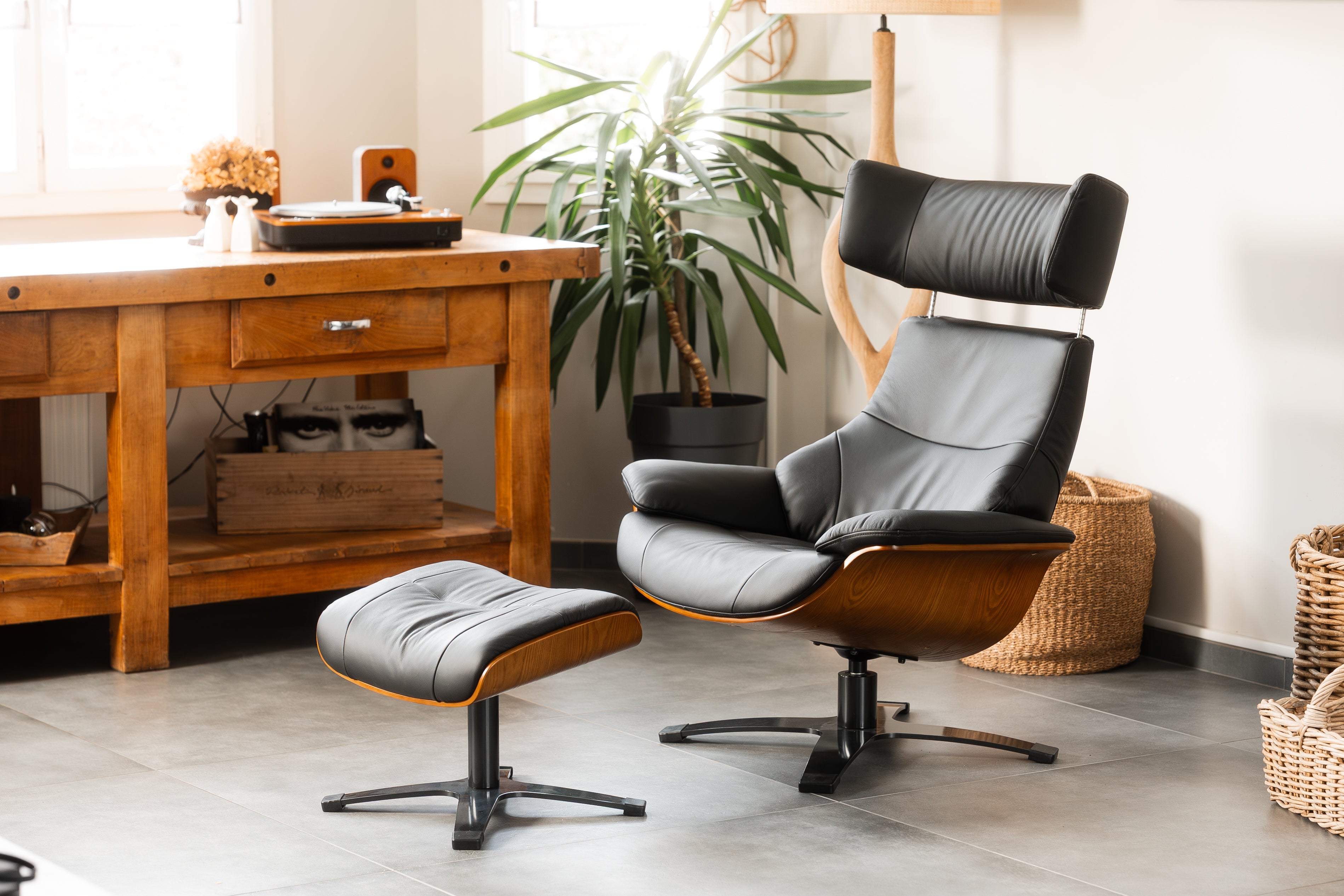
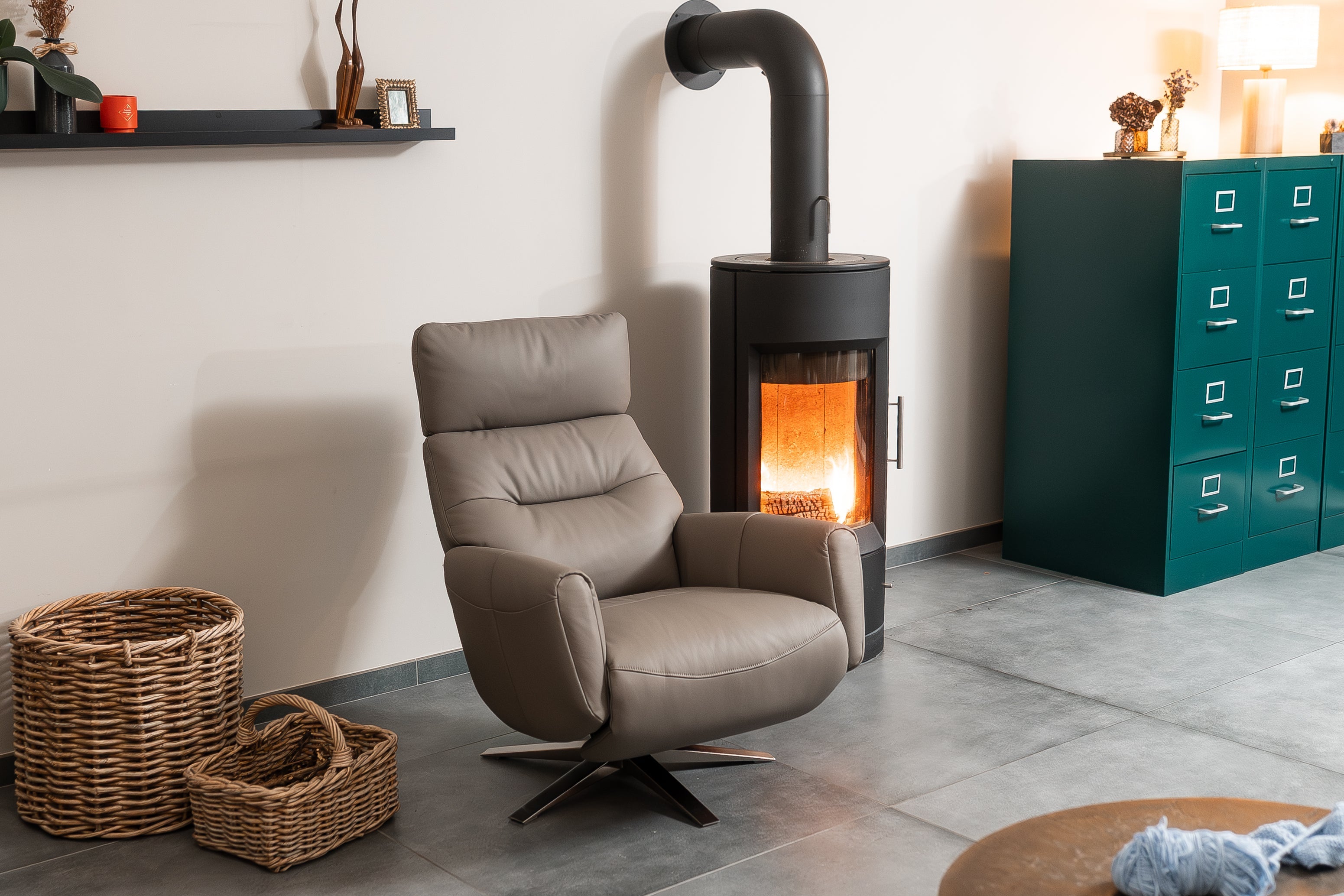
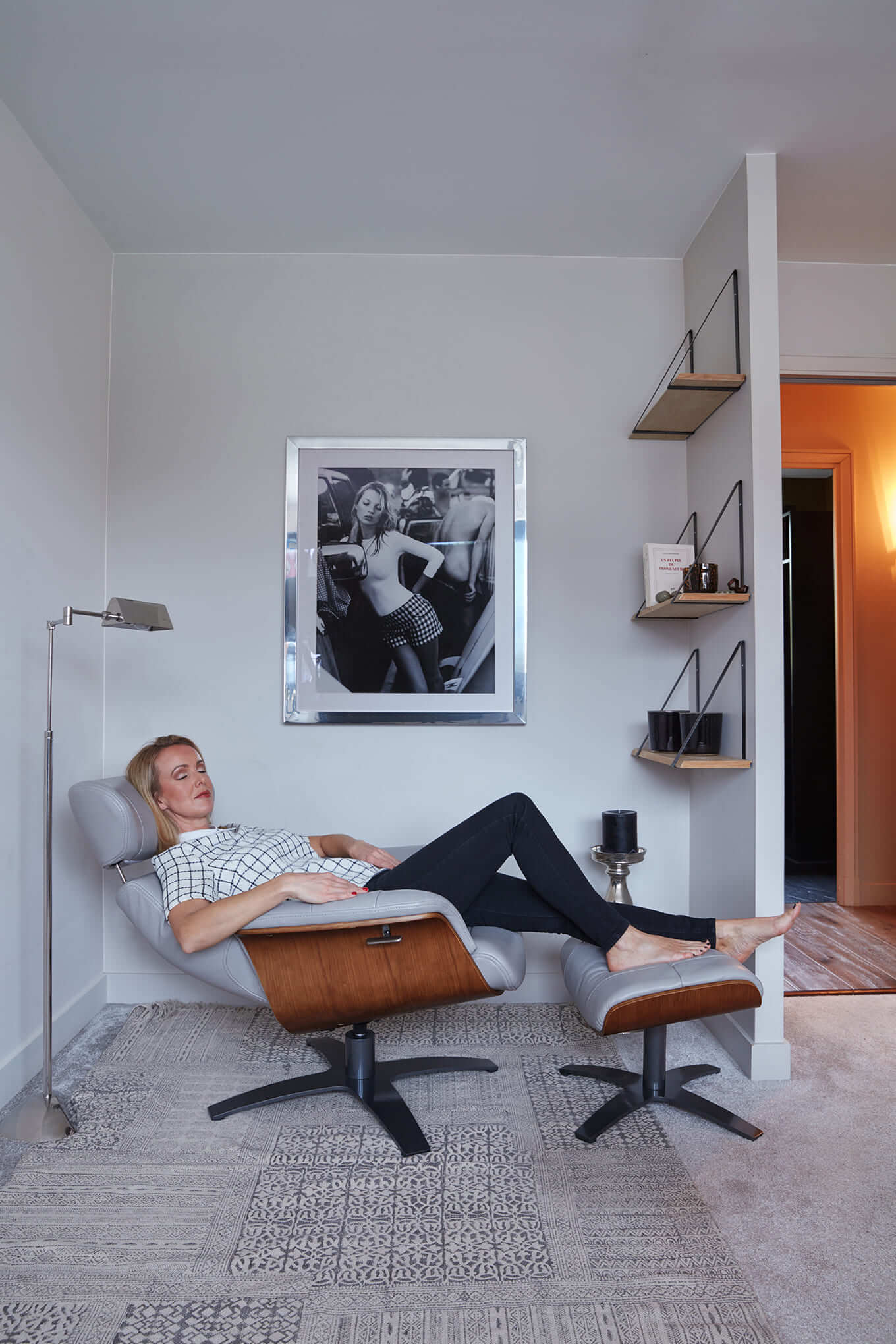
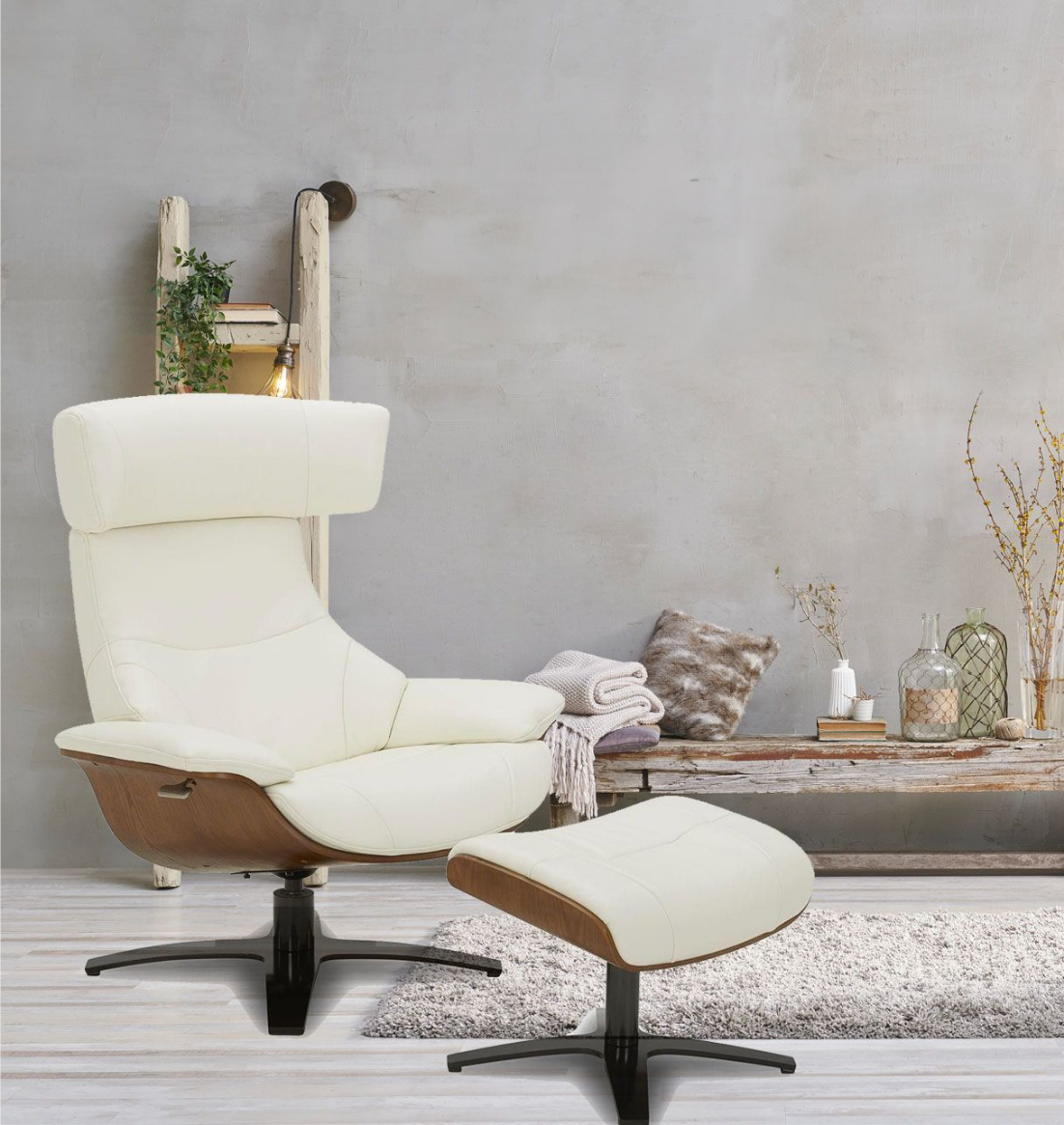
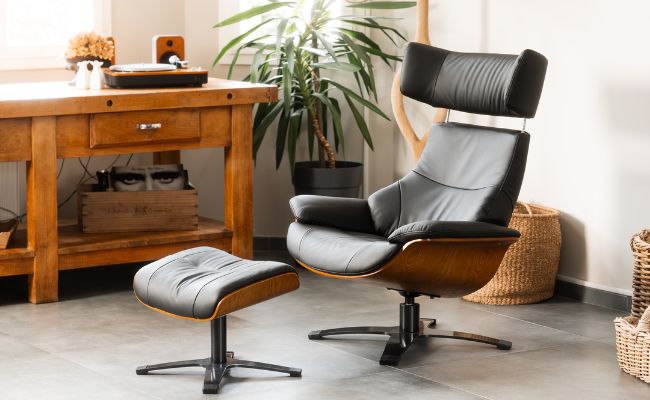
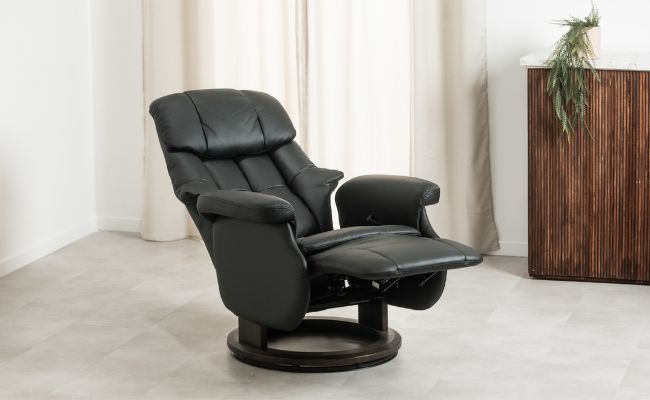
It is in this logic that the reclining armchair appeared! At My New Design, we try to combine the two previous aspects: design and ergonomics!
However, we want to offer models adapted for everyone, which is why we offer 2 main families:
- Relaxation armchairs, focused on relaxation functions and ease of use
- Designer armchairs, without neglecting comfort