
Why does my back hurt?
Back pain is a major public health issue in our modern society, affecting millions of people worldwide. It disrupts their daily lives and significantly reduces their quality of life. But what exactly causes it?
The main causes of back pain in developed countries are as follows:
1. Poor posture:
One of the main causes of back pain is poor posture. Spending long hours sitting at a desk, slouching while using electronic devices, or lifting heavy loads incorrectly can all contribute to back problems. Poor posture places excessive pressure on the spine and surrounding muscles, causing pain and tension.
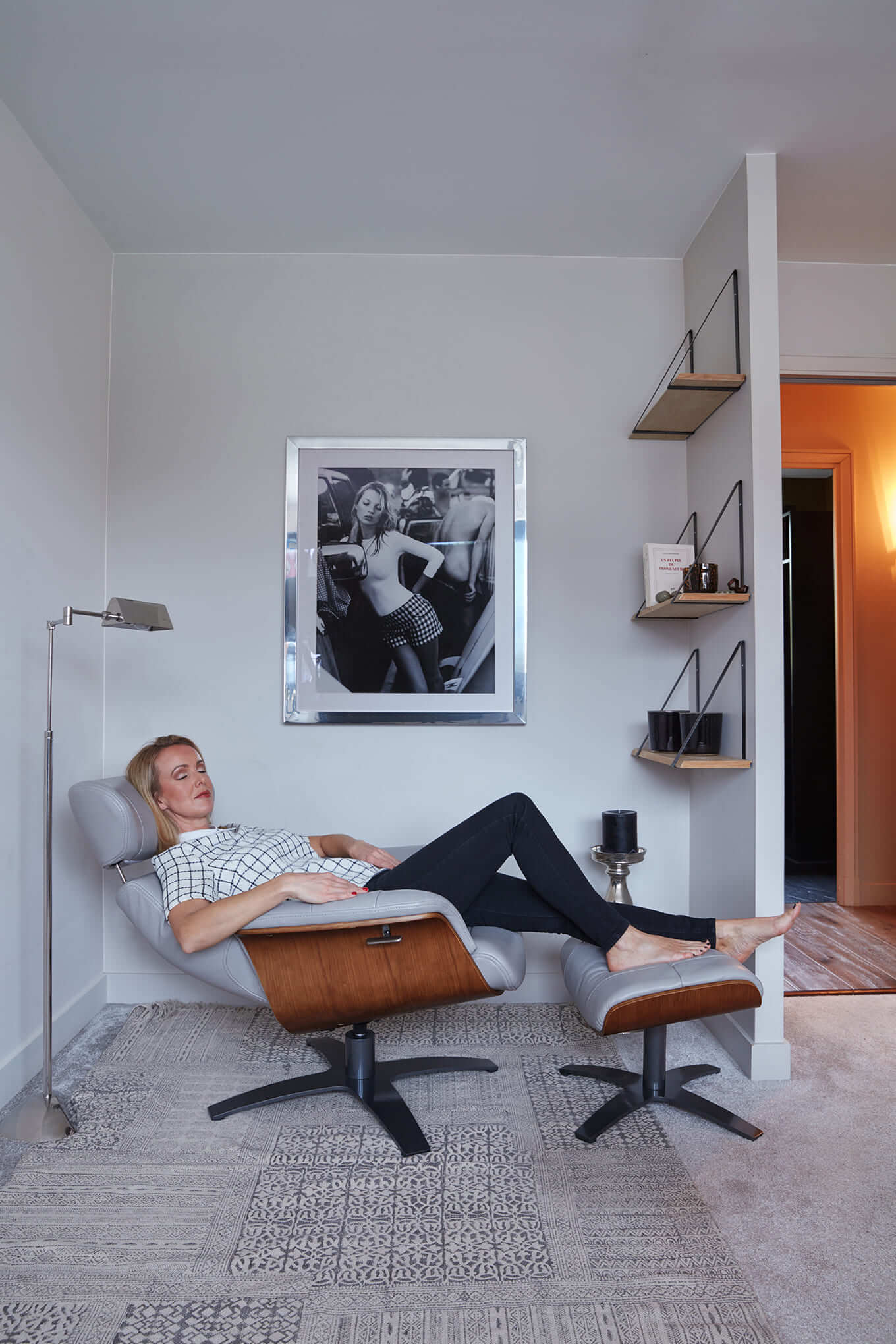
Read our blog post on how to choose the right recliner for your needs.
2. Sedentary lifestyle:
A sedentary lifestyle has become common in our modern society. We spend more and more time sitting, whether at work, in the car, or in front of the television. This prolonged inactivity weakens back muscles, which can lead to pain and mobility issues. It is essential to stay active and exercise regularly to maintain back health.
3. Overweight:
Overweight and obesity are major risk factors for back pain. Excess weight puts additional pressure on the spine and intervertebral discs, which can cause pain and mobility problems. A balanced diet and regular physical activity can help reduce weight and alleviate associated back pain.
4. Stress and emotional tension:
Stress and emotional tension can also contribute to back pain. When we are stressed, our muscles tend to contract, which can lead to pain and stiffness in the back. Learning to manage stress and finding ways to relax, such as meditation or yoga, can be beneficial in preventing back pain.
Tips for relieving back pain
By understanding the underlying causes of this problem, we can perhaps improve our health and feel better. Here are some easy-to-apply tips:
-
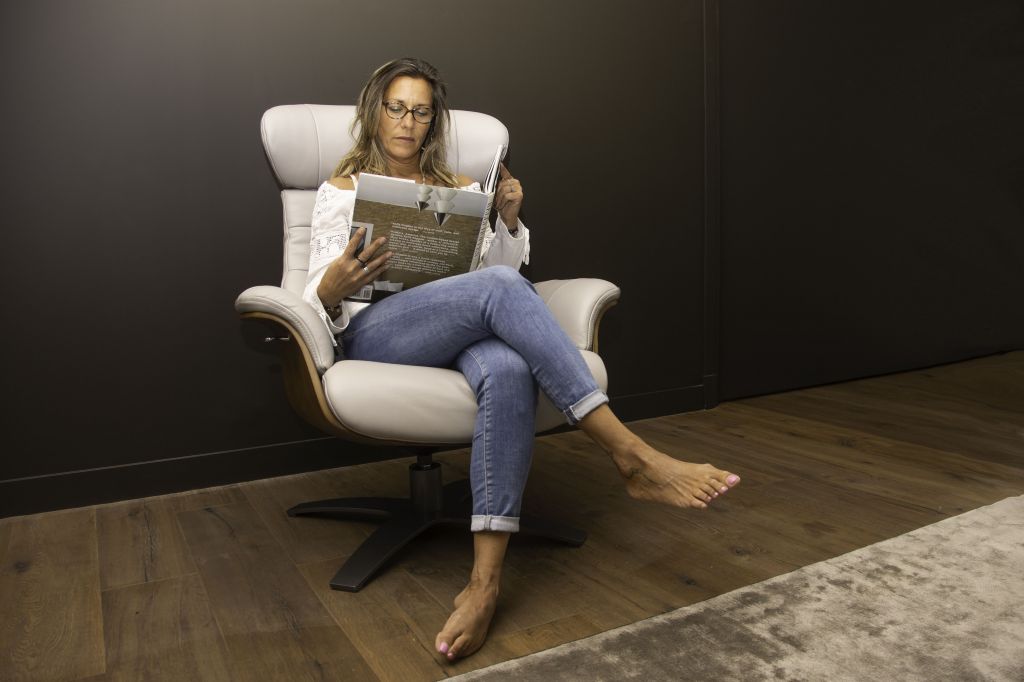
Adopt good posture: maintain correct posture when sitting, standing, or moving. Avoid slouching or leaning forward. Check that your computer screen is at eye level, and use lumbar support if necessary.
-
Exercise regularly: Strengthen your back muscles and improve your flexibility by regularly performing specific back exercises. Activities such as swimming, yoga, Pilates, and walking are excellent for maintaining the health of your spine.
-
Avoid staying still for long periods: If you work in an office, try to take regular breaks to stand up, stretch, and move around. If you are forced to sit for long hours, consider using an ergonomic chair and taking active breaks to move your body.
-
Lift correctly: When lifting heavy objects, bend your knees and keep your back straight. Use the strength of your legs to lift the object, rather than bending forward and putting excessive pressure on your back.
-
Maintain a healthy weight: If you are overweight, it puts extra pressure on your spine. Adopt a balanced diet and engage in regular physical activity to achieve and maintain a healthy weight.
-
Avoid prolonged positions: Avoid staying in the same position for long periods, whether sitting or standing. Alternate positions and take regular breaks to stretch and relax your muscles.
-
Sleep on a suitable mattress and pillow: A quality mattress and pillow can make a big difference in your back health. Choose a supportive mattress that matches your comfort preferences, and use a pillow that keeps your head and neck aligned with your spine.
-
Manage your stress: Stress can cause muscle tension and increase back pain. Find stress management techniques that work for you, such as meditation, deep breathing, yoga, or therapy.
-
Reduce smoking: Studies have shown that smoking can increase the risk of back pain. If you smoke, consider quitting or reducing your tobacco consumption.
-
Consult a healthcare professional: If you suffer from persistent or intense back pain, consult a healthcare professional, such as a doctor, chiropractor, or physiotherapist. They will be able to assess your condition and recommend appropriate treatments.
How to find the motivation to change our habits and be healthier?
1- Identify your motivation:
Take the time to reflect on what truly drives you to want to change your habits. Whether it's to improve your physical well-being, feel better in your body, prevent future health problems, or simply to live a more fulfilling life, identify your deep motivation. Keep this motivation in mind when you feel discouraged or have difficulty persevering.
2- Set realistic goals:
Define clear and achievable goals. Break them down into smaller, more easily attainable steps. This will allow you to track your progress and stay motivated as you reach these intermediate goals. Also, set a deadline for each goal to maintain a sense of urgency and accountability.
3- Surround yourself with support:
Share your goals with your loved ones and ask for their support. You can also join groups or online communities that share the same health goals. Having social support can help you stay motivated and feel encouraged in your efforts to change habits.
4- Start with small changes:
Instead of trying to change everything at once, start with small, gradual changes. For example, if you want to adopt a healthier diet, start by adding an extra serving of vegetables to your meals or by replacing an unhealthy snack with a more nutritious option. These small steps will help you gradually get used to new habits without feeling overwhelmed.
5- Practice self-compassion:
Be kind to yourself when you face obstacles or setbacks. Change can take time and involve ups and downs. Accept that you may make mistakes, but remember that each day is a new opportunity to make better choices for your health. Learn from your mistakes, adjust, and keep moving forward.
Do not hesitate to contact us if you would like more information on our seating options that may suit your needs:
We would be delighted to assist you:
- By email at contact.mynewdesign@gmail.com
- By phone at 02 98 02 02 67 (we are based in Brest)
- Via chat on My New Design, sale of Design Recliner Chairs